Resilience
Secure Systel video wall at Carcassonne fire brigade (SDIS 11)

The approving smile of the head of the Carcassonne dispatch centre (SDIS 11) says it all: our video wall technology fully satisfies him. The screens are 10 years old, yet they still work very well. No need to waste them: today’s technologies make it possible to take back control of a wall for a very low budget.
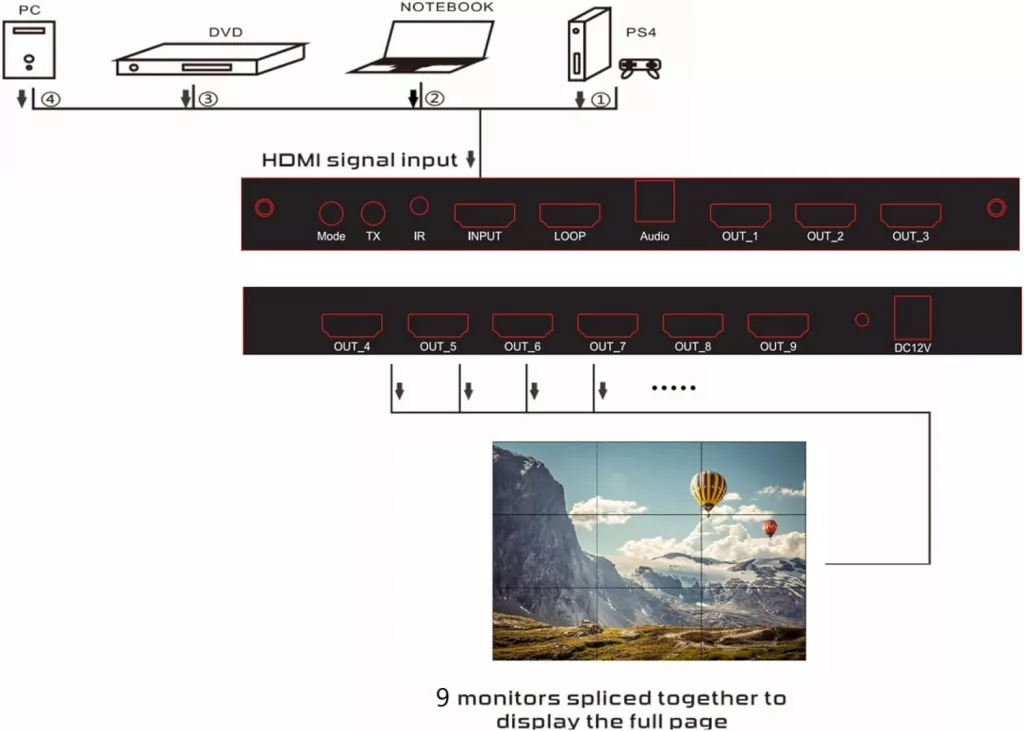
Reclaiming a video wall for under 500 euros
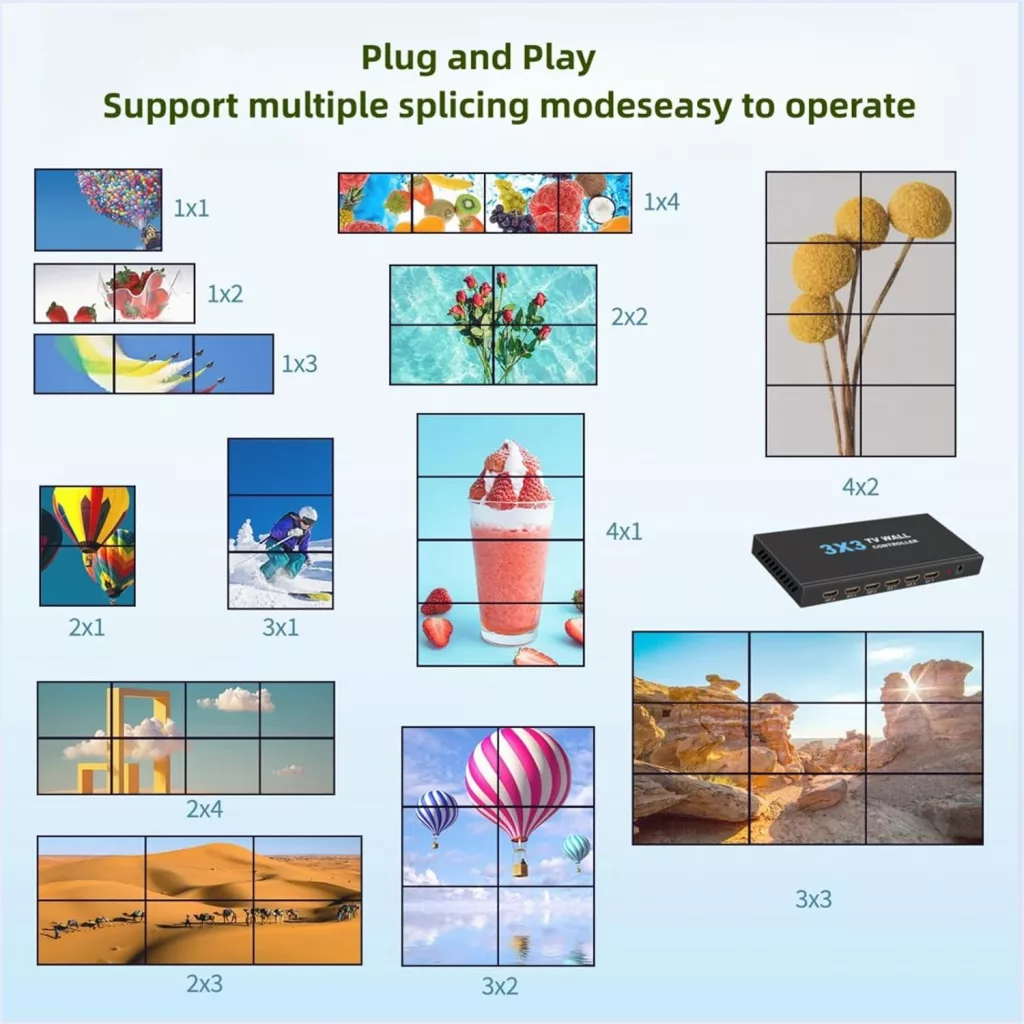
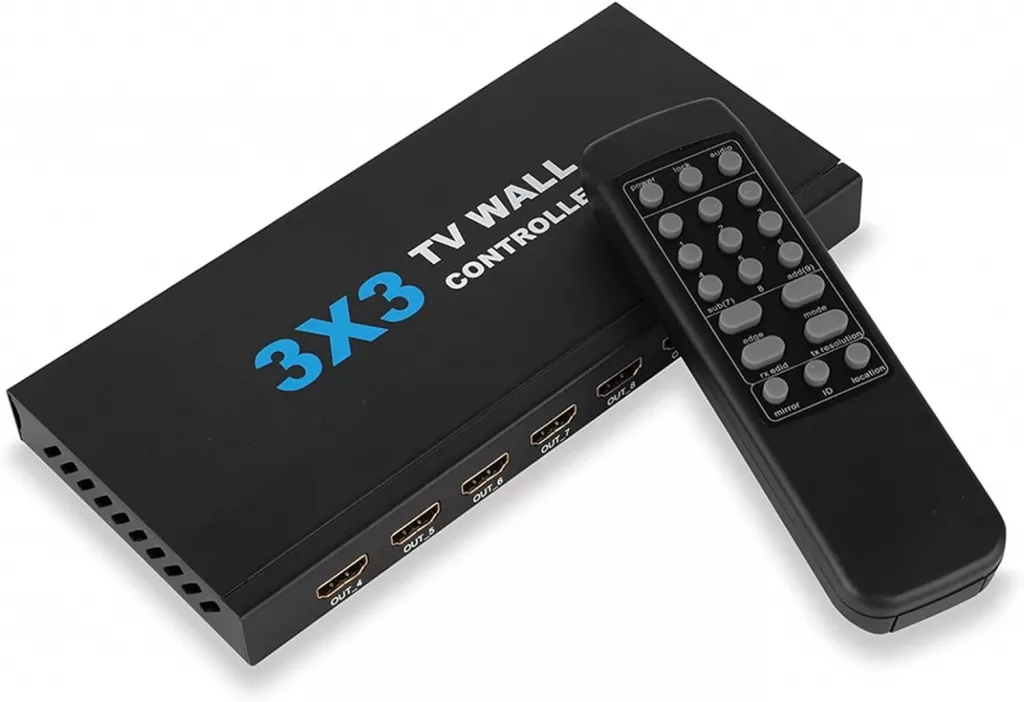
In this example, we connected a 3x3 video wall controller costing 100 euros, an HDMI capture box costing 10 euros and my old Lenovo X1 Carbon laptop worth 300 euros. The result: a video wall driven smoothly and with good definition, without replacing the existing screens. That is the whole philosophy of reuse we champion with firefighters and fire brigades.
Mixing the secure network and the administrative network safely
One of the strengths of our technology is to blend a secure network (Systel in this case) and the administrative network on the same display. Warning: between the secure Systel PC and any physical connection to the administrative network, you must use a HDMI 1.3 type cable. This cable carries only the audio and video signal, whereas a recent cable embeds Ethernet capabilities that could open a breach in the network.
This wall is therefore “bulletproof”: the Systel-SA screen displayed on the left arrives through a VNC remote access coupled with the security of HDMI 1.3, which only carries the audio and video signal. Easy Multi Display takes care of switching the HDMI capture stream to full screen when needed. It is this kind of partitioning that makes a command room robust.
Controller or splitter: do not confuse them
A controller and a splitter are two different devices for managing video signals.
- A controller lets you manage and drive several screens or video sources from a single point. It can display one source across several screens, or several sources on a single screen. It is used in control rooms, command centres and meeting rooms.
- A splitter divides a video signal into several identical outputs. It lets you connect one source to several screens, but without controlling them individually. It is often found in video surveillance, when all the screens must show the same source.
In short: a controller drives several screens or sources, a splitter merely duplicates a signal. To learn the details of our pricing, we remain at your disposal.